)
Right now we are at war with an army of rats packing drones able to cause real damage but otherwise undetectable without boots on the ground. this can operate without central control.
Obviously not good because cleaning it out demands a local persian based army able to do the nasty work. That takes time to build out and supply and looks like civil war.
The USA can seize Kharg Island and perhaps some production assets to hand but no more.
And just why now? Is humiliation by Canada that unendurable? Is this cover for capitulation?
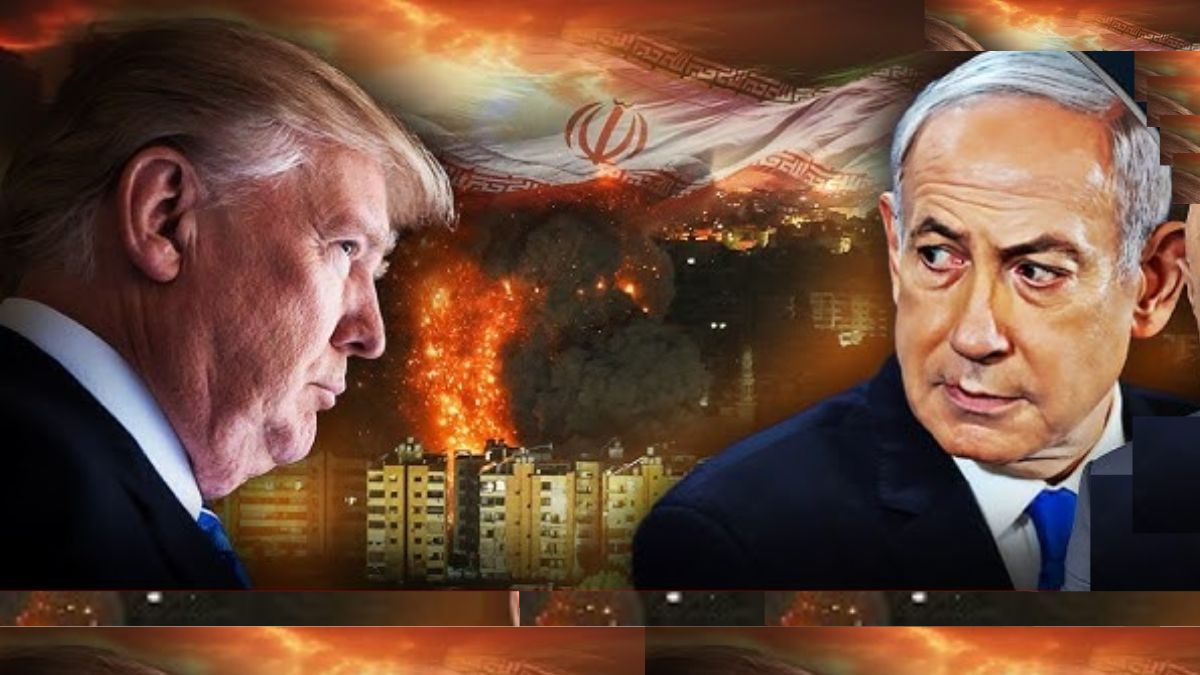
Three weeks in, Iran war slips beyond Trump’s control as escalation outpaces exit strate
March 21, 2026, 18:30:47 IST
Three weeks into the Iran conflict, President Trump’s exit strategy falters as regional escalations and Israeli strikes push the war beyond US control into a dangerous regional quagmire.
hat began as a targeted US-led military push against Iran has morphed into a volatile regional confrontation within three weeks, raising serious questions about whether Donald Trump’s administration still controls the trajectory of the war.
Early signals from Washington suggested a limited campaign with clearly defined objectives. But as strikes intensify across multiple fronts including reported Israeli operations in Tehran and Beirut, the conflict appears to be expanding faster than US strategy can contain it.
The widening theatre of engagement highlight a familiar dilemma in modern warfare: the gap between political messaging and battlefield realities. While Trump has publicly framed the operation as nearing success, indicating goals such as weakening Iran’s military infrastructure and deterring future aggression but the persistence of retaliatory strikes suggests otherwise.
Iran’s ability to sustain counterattacks, either directly or through regional proxies has complicated the notion of a quick victory.
Analysts warn that the situation now resembles past US entanglements where initial limited objectives gradually gave way to deeper involvement. The concern is no longer just about military outcomes but about whether the conflict is slipping into a cycle of escalation that neither side can easily reverse.
‘Mission accomplished’ vs ground realities
Trump’s recent remarks outlining a potential exit strategy, paired with claims of nearing victory reflect an attempt to regain narrative control. However, developments on the ground paint a far more complex picture. Continued strikes, troop deployments and heightened tensions with Iran-backed groups indicate that the war is far from winding down.
The limits of Trump’s power diplomatically, militarily and politically were thrown into sharp relief over the past week.
He was caught off-guard by the resistance of fellow Nato members and other foreign partners to deploying their navies to help secure the Strait of Hormuz, according to a White House official who spoke to Reuters on the condition of anonymity.
With the president not wanting to appear isolated, some White House aides have advised Trump to quickly find an ”off-ramp” and set limits on the military operation’s scope, said one person close to the discussions. But it was unclear whether that argument was enough to sway Trump.
Trump now finds himself at a crossroads in Operation Epic Fury with no clear sign of which path he might take, analysts say.
He could go all-in and intensify the U.S. offensive, possibly even seizing Iran’s oil hub on Kharg Island or deploying troops along Iran’s coast to hunt for missile launchers. But that would risk a long-term military commitment that the American public would mostly oppose.
Or, with both sides rejecting negotiations for now, Trump could declare victory and try to walk away, which could alienate Gulf allies who would be left with a wounded, hostile Iran – one that could still pursue a crude nuclear weapon and still exert control over shipping in the Gulf. Iran has denied it is seeking a nuclear weapon.
Risk of a wider regional spill over
Beyond the immediate US-Iran confrontation, the broader West Asia now faces the risk of a cascading crisis. The involvement or potential involvement of multiple actors, including Iran-backed militias across the region, raises the spectre of a multi-front conflict. Shipping routes, energy infrastructure and regional stability all hang in the balance.
Some observers have drawn parallels to past conflicts where incremental escalation led to long-term entanglements. The fear is that without a clearly defined and achievable endgame, the US could find itself drawn deeper into a conflict it initially sought to limit. Trump’s consideration of scaling down operations may reflect an awareness of these risks but executing such a withdrawal without triggering further instability remains a major challenge.
At the same time, Iran’s strategic calculus appears geared toward prolonging the conflict rather than seeking immediate resolution. By avoiding direct large-scale confrontation while sustaining pressure through proxies and targeted strikes, Tehran may be aiming to stretch US resources and political will.
Three weeks into the war, the central question is no longer just about military success, but about control. As escalation continues and objectives blur, the conflict increasingly looks like one that is shaping its own course—beyond the grasp of any single leader.
The high cost of miscalculation
The strategic gamble that Iran would collapse under “maximum pressure” 2.0 has, thus far, yielded a more dangerous result: a desperate and decentralised Iranian defence. West Asian observers note that by pushing the regime to the brink, the US has triggered a “scorched earth” proxy response across Iraq, Syria and the Persian Gulf shipping lanes.
While the Trump administration remains focused on a list of five war goals, the international community is looking at a sixth: the prevention of a global economic meltdown. With oil markets volatile and the Strait of Hormuz effectively a combat zone, the “victory” Trump nears is looking increasingly pyrrhic. The war has escalated beyond the control of a single leader’s rhetoric, leaving the world to wonder if the “exit strategy” is merely a prelude to an even larger, unmanageable catastrophe.
With inputs from agencies


No comments:
Post a Comment