Just what are we looking at? what i see is the after math of a event horizon collapse in which most matter has been converted to complex photonic energy which then escapes only to be reduced back into matter after traveling light years to form a massive halo of hot lit matter about three light years across.
I wonder if the collapse imparted velocity to the remnant star.
what ever happened, none of this matter is traveling at sublight speeds in order to arrive where they are now.
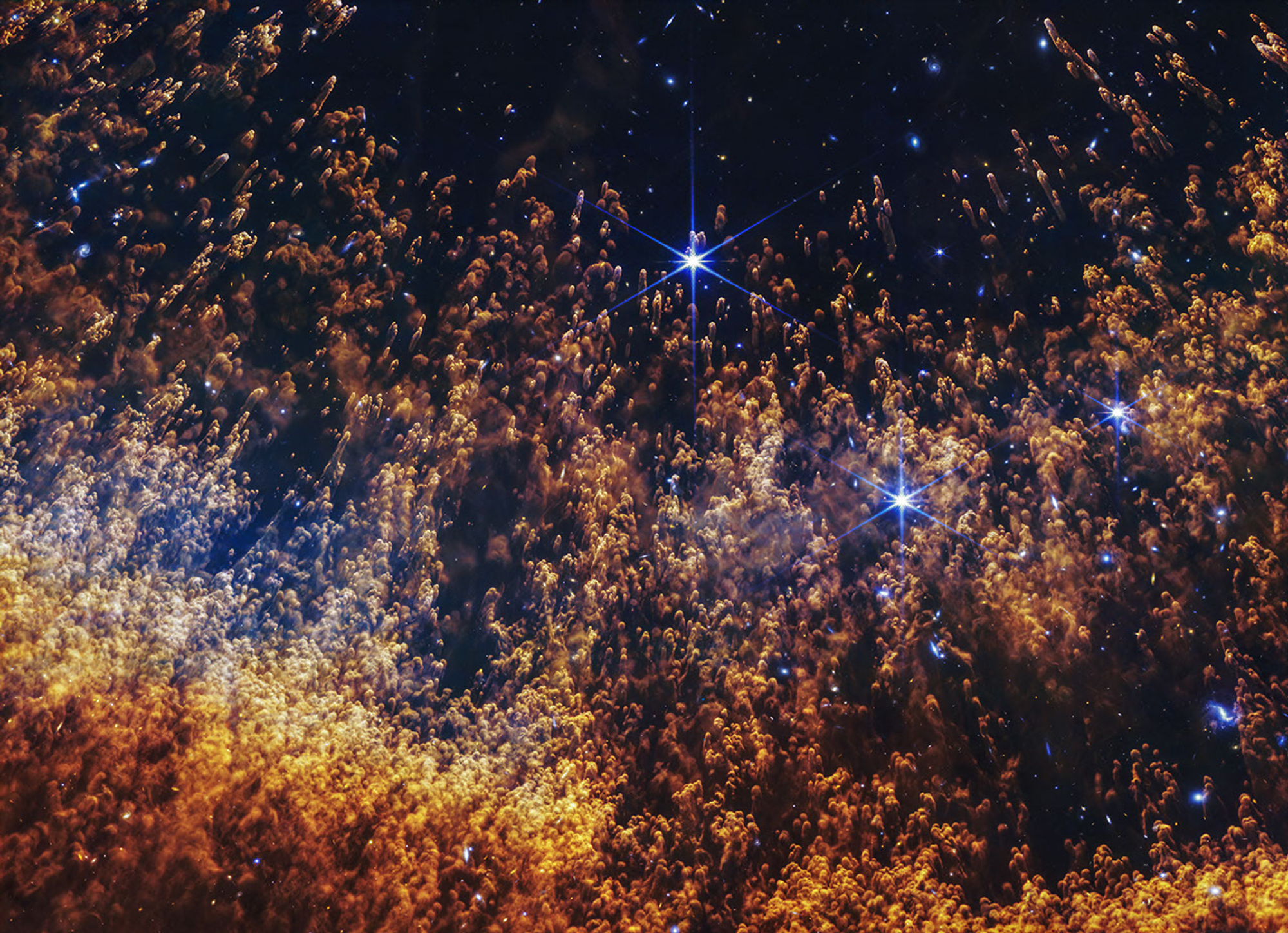
Webb reveals a planetary nebula with phenomenal clarity, and it is spectacular
The colors show the star’s final breath transforming into the raw ingredients for new worlds.
Eric Berger – Jan 20, 2026 3:33 PM | 117
A new image from NASA’s James Webb Space Telescope of a portion of the Helix Nebula. Credit: ASA, ESA, CSA, STScI; Image Processing: Alyssa Pagan (STScI)
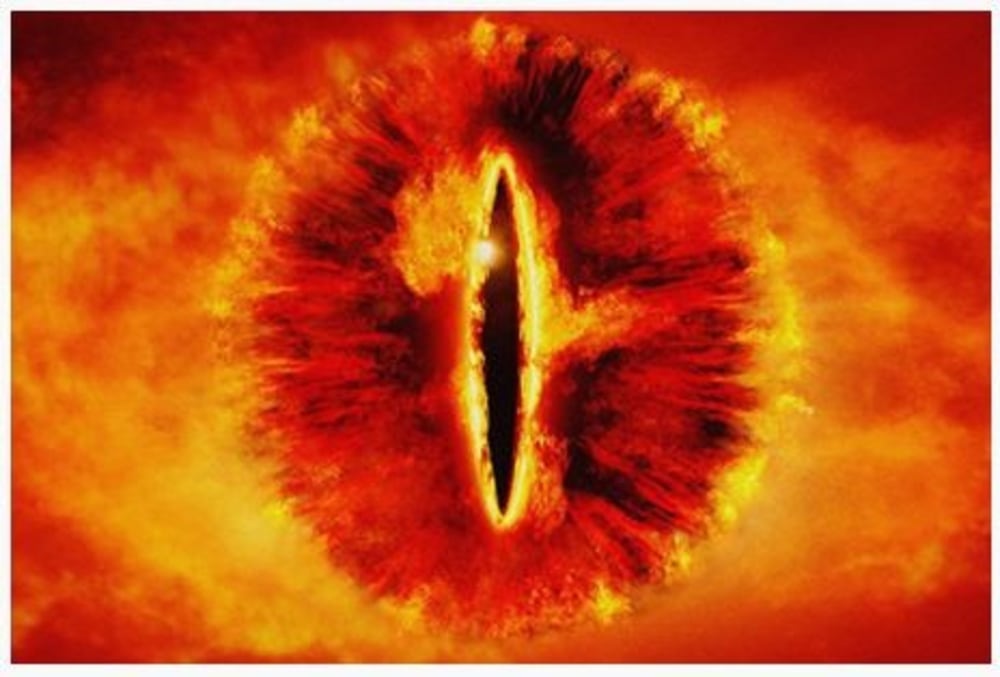
The Helix Nebula is one of the most well-known and commonly photographed planetary nebulae because it resembles the “Eye of Sauron.” It is also one of the closest bright nebulae to Earth, located approximately 655 light-years from our Solar System.
You may not know what this particular nebula looks like when reading its name, but the Hubble Space Telescope has taken some iconic images of it over the years. And almost certainly, you’ll recognize a photograph of the Helix Nebula, shown below.
Like many objects in astronomy, planetary nebulae have a confusing name, since they are formed not by planets but by stars like our own Sun, though a little larger. Near the end of their lives, these stars shed large amounts of gas in an expanding shell that, however briefly in cosmological time, put on a grand show.
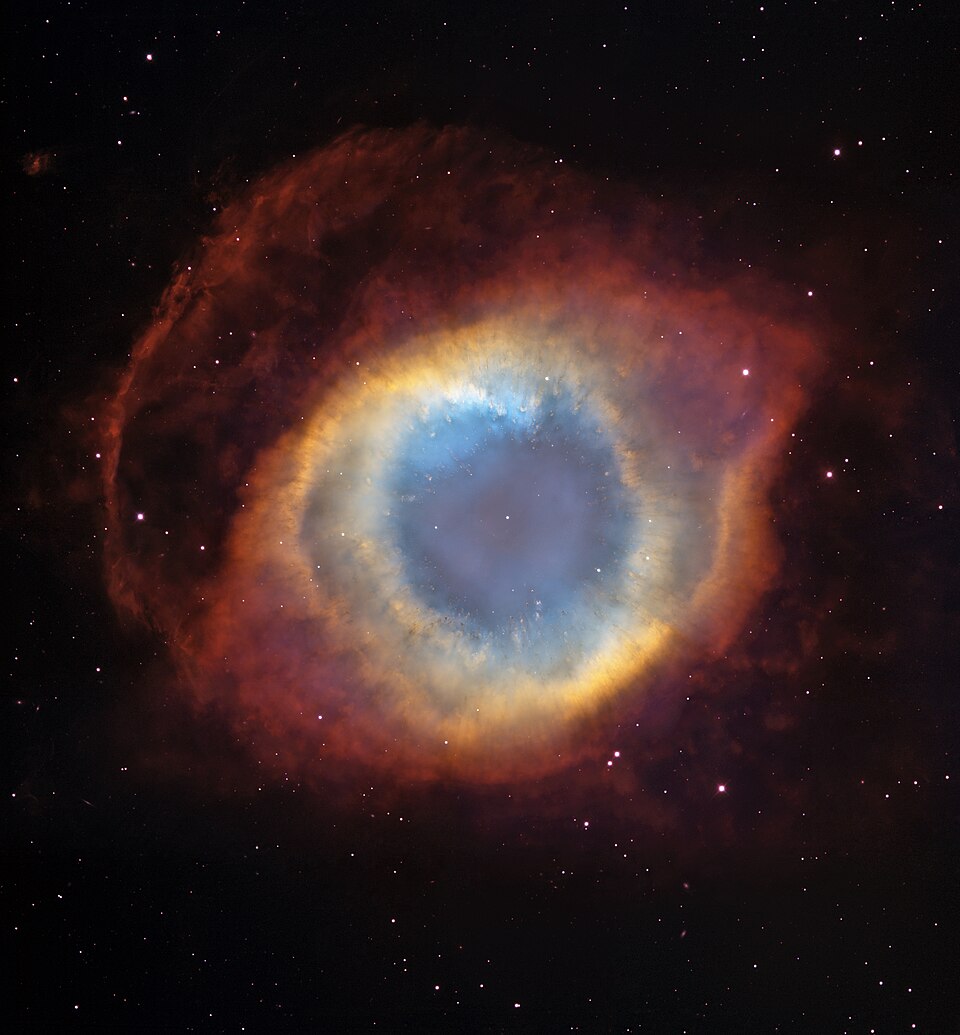
This is one of the Hubble Space Telescope’s iconic images of the Helix Nebula. Credit: NASA
Now the James Webb Space Telescope has turned its sights on the Helix Nebula, and, oh my, does it have a story to tell. NASA released the new images of the nebula on Tuesday.
In this image, there are vibrant pillars of gas along the inner region of the nebula’s expanding shell of gas. According to the space agency, this is what we’re seeing:
A blazing white dwarf, the leftover core of the dying star, lies right at the heart of the nebula, out of the frame of the Webb image. Its intense radiation lights up the surrounding gas, creating a rainbow of features: hot ionized gas closest to the white dwarf, cooler molecular hydrogen farther out, and protective pockets where more complex molecules can begin to form within dust clouds. This interaction is vital, as it’s the raw material from which new planets may one day form in other star systems.
In Webb’s image of the Helix Nebula, color represents the temperature and chemistry. A touch of a blue hue marks the hottest gas in this field, energized by intense ultraviolet light from the white dwarf. Farther out, the gas cools into the yellow regions where hydrogen atoms join into molecules. At the outer edges, the reddish tones trace the coolest material, where gas begins to thin and dust can take shape. Together, the colors show the star’s final breath transforming into the raw ingredients for new worlds, adding to the wealth of knowledge gained from Webb about the origin of planets.
It is, in a word, phenomenal.