Insights Search

Monday, August 31, 2026

Trump Takes A Cleaver To "Big Meat" Monopoly, Moves To Let Mom-And-Pop Ranchers Process Own Meat


This is a nasty regulatory monopoly which is sustained by jucing the electors and is bas practise for obvious reasons.

actual farm site processing is easy to establish. It takes stainless steel cutting line whose equipment is avai;able everywhere.  And a storage freezer as well.

Personel are available as contract workers as well.

A freind did this with 6000 turkeys as an ongoing operation.   


Trump Takes A Cleaver To "Big Meat" Monopoly, Moves To Let Mom-And-Pop Ranchers Process Own Meat


Friday, Aug 28, 2026 - 12:25 PM

https://www.zerohedge.com/markets/trump-take-cleaver-big-meat-monopoly-moves-let-mom-and-pop-ranchers-process-own-meat

President Trump's move to dismantle what Republican Sen. Josh Hawley has called the "modern-day monopoly" in U.S. beef processing reflects growing concern that industry concentration has become a food-security vulnerability.

Four corporations, JBS, Tyson Foods, Cargill and National Beef, dominate cattle purchasing and processing, creating single points of failure across the nation's beef supply chain. This consolidation has reduced local processing capacity, weakened regional food supply chains and shifted pricing power away from independent ranchers and farmers.

Now, President Trump is changing the game with plans to break the meatpacking monopoly by allowing farmers and ranchers to process their own food.

"For years I have heard that they have had a tremendous problem with the Big Processors, who many say are a nasty Monopoly. There are, essentially, 4 of them, a very non-competitive number, and they make life miserable for our wonderful Farmers and Ranchers," Trump wrote on Truth Social.

He continued, "So, in order to break this powerful monopoly, with much of its ownership based outside of the U.S., I am authorizing legal documents to be drawn in order to allow Farmers and Ranchers to be given the right to PROCESS THEIR OWN FOOD."

"This should move quickly," the president added.


The administration has already opened an antitrust investigation into the meatpacking industry. Roughly 85% of U.S. cattle are purchased by four companies: Tyson Foods, Cargill, JBS and National Beef Packing.


Agriculture Secretary Brooke Rollins said additional measures will be announced Monday, including plans to waive processing regulations and expand ranchers' ability to sell meat across state lines.

small log revolution.


This is important becauses it settles something that has been bothering me.  It turns out that engineering to pull small logs from a woodland also naturally accomadates forest grooming..  you leave larger trees behind while opening up the forest floor for regrowth.  smaller stuff can be knocked down and chipped along with branches.


Taking everything has proven to be a mistake.  taking small logs above knock downs through a maximum like eighteen inches cleans out most of the forest floor produces equipment able to grab and process a tree on site.  The logs are big enough to produce dimesion lumber suitable for of mass markets.  That is 2X4s and boards.  

we need to leave the big boys out there anyway because we actually mined this resouce to the limit.

Key is that small log extraction demolishes the fire load while opening the floor and can extract wood chips as a by product.  We can then return in forty years and do it all again


<iframe width="919" height="517" src="https://www.youtube.com/embed/ggWBECTC81w" title="The Small Log Revolution | Vaagen Bros. Lumber" frameborder="0" allow="accelerometer; autoplay; clipboard-write; encrypted-media; gyroscope; picture-in-picture; web-share" referrerpolicy="strict-origin-when-cross-origin" allowfullscreen></iframe>

800-passenger commercial plane boldly reinvents how we will fly


The reason no one has deviated from the tube system is because it is well proven.  Start stretching and a whole bunch of things make you nervous.

Yet making a flattened vtube able to house say fifty folks in a row and then stretched to fifty rows is 2500 folks.  It can be secured by a box frame on its ends.  all while picking up a lot of lift.

this should be within our capability.

800-passenger commercial plane boldly reinvents how we will fly


August 28, 2026


https://newatlas.com/transport/800-passenger-commercial-plane/

Can the flying-wing design usher in a new age of commercial flight? Time will tell


More than 20 years since the Airbus A380 ushered in a new era of commercial flight, Chinese scientists have a bold plan to make it seem obsolete, revealing a new model of aircraft that's unlike anything we've seen before.


The country has made no secret of its plans to develop its own aviation industry, so it's not a surprise to see that engineers have thrown out existing aircraft design blueprints to build something unlike anything we've seen before.


In June, the Journal of Aerospace Power published a peer-reviewed paper detailing the bold aircraft design developed by the China Aerodynamics Research and Development Centre (CARDC). And its carrying capacity isn't actually the most interesting aspect of it.

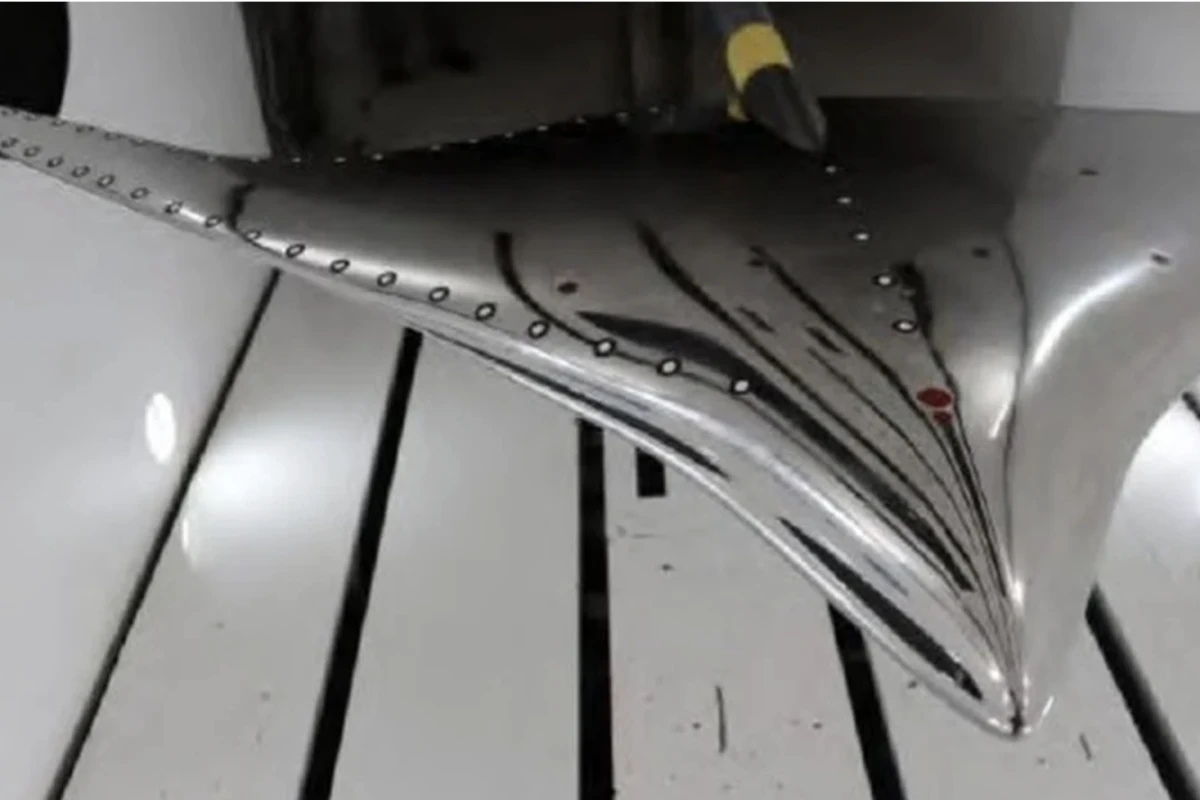
Rather than rejigging current commercial plane designs that have distinct components – fuselage, wings and tail – this proposed model instead has a "flying-wing" structure that merges with its body. Engineers working on the design believe this will enable it to not just carry more passengers, but unlock efficiency never seen before in a commercial jet.


And yes, we have seen this design in aircraft for other uses – military, for example – but not in large-scale models built to also carry more than 800 regular folk who largely only know Boeing and Airbus, and maybe Embraer. We're not talking private jets, military or other modes of flight.

According to Chinese media reports, citing the research, the plane would measure 85 meters (280 ft) in width, and be 43 m (141 ft) in length. In context, its wingspan would be around 1.6 times greater than a B-2 Spirit stealth bomber, which also sports a flying-wing design.

China is expected to launch a more modest plane, the C929 – a 280-seat long-range wide-body jet – by 2030, as well as having several other aircraft in the works.


But this ambitious new model, which is yet to get an official name, could fundamentally change the aviation world if realized.

“The high-aspect-ratio flying wing represents an aircraft configuration with remarkable aerodynamic advantages,” wrote aerodynamics scientist Li Yonghong and his team in the journal paper, as reported by Chinese media. “Its high lift-to-drag ratio and low induced drag could deliver longer range and lower energy consumption.”

In the meantime, China is powering ahead with its aviation program, so expect to see a range of new aircraft take flight in the coming years.

There's no timeline for this 800-seat beast yet, but given the country's focus on building not just bigger but better – and quickly – we'll be keeping a close eye on this project. While flying long-haul with 799 other passengers – several hundred more than the A380 can accommodate – feels like a logistical challenge, to say the least, it's hard to not be excited that a new era of commercial flight is in the works.

But whether it can be realized remains to be seen.

China's Solar Boom Hits A Wall As Industry Losses Mount


The global solar industry is going through a market shakeout which is overdue. 

however, the science is now opening it all up.  turns out planned shade produces a high protein crop which is better a fodeer and food.  All agricultural land can legitimately be planned around elevated solar panels.

And let us not forget the whole Sahara.  no one needs hot sand

China's Solar Boom Hits A Wall As Industry Losses Mount


Friday, Aug 28, 2026 - 03:25 PM

Authored by Irina Slav via OilPrice.com,


https://www.zerohedge.com/political/chinas-solar-boom-hits-wall-industry-losses-mount

Three of China's top solar market players reported deepening losses over the first half of the year, 

Jinko Solar, JA Solar Technology, and Tongwei all reported six-month losses as overcapacity in the sector meets weakening demand, not only at home but also abroad, Bloomberg reported, citing statements made by the companies at their financial results releases.


The report noted new solar power capacity additions in China had shrunk to 72.07 GW over the first half of the year, compared with 212.2 GW a year earlier. Part of the decline was due to the rush to connect projects before China's June 1, 2025 electricity-pricing reform, which caused an extraordinary 2025 base.


"The full impact of policies requires a longer period for transmission and validation," JA Solar said, as quoted by Bloomberg. "In the short term, the actual effects of capacity reduction and consolidation have not yet fully emerged, and the industry as a whole still faces temporary and structural overcapacity issues."


Meanwhile, the U.S. tariff war on major trade partners affected demand for Chinese solar equipment abroad as well, adding to the pain for the industry leaders. Some of that pain was created by the government in Beijing, which canceled an export tax rebate for solar manufacturers in April.


"Trade barriers in overseas markets have been comprehensively upgraded, and traditional export channels are facing a reshaping," Jinko Solar said.


China's solar equipment exports declined by 21.4% last month from a year earlier, according to Chinese customs data, demonstrating the effect of local and foreign legislative changes.


Meanwhile, total solar power capacity in China is set to overtake the country's coal capacity, despite the slowdown in new additions. As of the end of June, solar power capacity stood at 1,274 gigawatts, just below the total coal-fired installed capacity of 1,275 GW.


By Irina Slav for Oilprice.com

Saturday, August 29, 2026

DMSO


It can be used as a medication carrier across a wide trange of useful protocols.


This gives us a handy inventory of what is known.  obviously when googling on any disease problem, just add dmso to locate useful protocols.

just saying


DMSO is an "umbrella remedy" capable of treating a wide range of challenging ailments due to its combination of therapeutic properties (e.g., reducing inflammation, improving circulation, and reviving dying cells). It also rapidly transports substances dissolved in it through the skin and throughout the body

These benefits are also seen when DMSO is combined with a variety of natural therapies — in many cases, allowing the mixture to treat challenging conditions neither could treat alone

DMSO is commonly combined with natural carrier oils and botanicals such as essential oils and herbal extracts

https://articles.mercola.com/sites/articles/archive/2026/08/27/power-of-dmso-and-botanical-combinations.aspx

These combinations are commonly used to create natural skin care products which rejuvenate the skin and cure numerous skin conditions such as acne, psoriasis, eczema, and lipomas. They also enhance DMSO’s ability to heal injured tissues, reduce inflammation, and treat acute or chronic pain (e.g., arthritis or migraines)

This article will review the basics of botanical DMSO combinations, the literature supporting it, and show how these mixtures can be used to treat many additional challenging medical conditions


Over the last year, I've worked to bring the public's attention to dimethyl sulfoxide (DMSO) a forgotten natural therapy which rapidly treats a wide range of conditions and that many studies have shown is very safe (provided it's used correctly), and most importantly (thanks to the 1994 DSHEA act which legalized all natural therapies)1 is now readily available.


Since I believe DMSO has immense potential to offer the medical community and individual patients, I've diligently worked to compile evidence that best supports its rediscovery. As such, throughout this series, I've presented over a thousand studies that DMSO effectively treats:


•Strokes, paralysis, and many other neurological or circulatory disorders (discussed here).


•Chronic pain and tissue injuries, such as sprains, burns and non-healing wounds (discussed here).


•Numerous autoimmune and contractile disorders (discussed here).


•Head conditions, such as tinnitus, vision loss, dental problems, and sinusitis (discussed here).


•Internal organ diseases, such as pancreatitis, infertility, liver cirrhosis, and endometriosis (discussed here).


•Skin conditions, such as varicose veins, acne, hair loss, ulcers, and skin cancer (discussed here).


•Many different cancers (discussed here).


•Lung disorders, including asthma, COPD, pulmonary fibrosis, and cystic fibrosis (discussed here).


•Infections, including chronic bacterial infections, herpes, and shingles (discussed here).


DMSO Combination Therapies

DMSO's ability to treat a wide range of illnesses results from its having a variety of highly unusual properties that appear to address the root causes of disease (e.g., it greatly improves circulation). One of DMSO's most noteworthy properties is its ability to enhance the effects of other substances, which in many cases makes it possible to surmount major dilemmas traditionally seen with those therapies.


DMSO's unique ability to function as a vehicle is due to the fact that it can pass through biological membranes without damaging them,2 so once it contacts the skin, it rapidly spreads throughout the body.3 At the same time, simultaneously it readily dissolves most substances and is able to bring them with it into the body. This is very useful as it allows you to:


•Apply a medication topically or orally that would typically require an IV or injection.


•Make drugs become much more potent and able to treat conditions that otherwise will not respond to (e.g., these mixtures can penetrate and treat antibiotic-resistant bacteria or chemotherapy resistant cancers).


•Allow lower doses of a drug to be used, which are often much less toxic and in many cases, counteract the toxicity of the blended medication (as DMSO protects tissue from injury) — all of which make it incredibly useful for reducing the harm of chemotherapy.


Note: While DMSO cannot be patented, combinations can. As such, while DMSO alone is "unsafe," "ineffective," and "unproven" many "safe and effective" DMSO pharmaceutical combinations exist, including many approved by the FDA.


Natural Combination Studies

A large volume of scientific literature exists on DMSO being used in combination with pharmaceutical drugs, and many approved DMSO products also incorporate natural agents such as menthol, camphor, lavandin, lavender oil, coriander oil, arnica, and capsicum. Many natural agents, including numerous botanicals, have also been shown to synergistically combine with DMSO in many conditions.


•Neurological conditions:


◦In rats with Alzheimer's disease, DMSO and Ginkgo biloba extract (GBE), administered for 14 days, improved learning and memory.4


◦In 31 patients with postherpetic neuralgia, DMSO and Chinese herbal medicines reduced pain scores and improved symptoms more effectively than standard medical therapy.5


•Dermatological conditions:


◦In 33 patients with severe psoriasis, an extract of camptotheca nuts dissolved in 70% DMSO was a "quick, effective and convenient treatment," as a year later, 21 had a complete resolution of the disease.6


◦A hospital dermatology department reported that DMSO and 0.05% lithospermum (purple gromwell) effectively treated viral warts.7


◦DMSO mixed with linethol (a flaxseed concentrate with anti-inflammatory, regenerative, and wound-healing properties) treated burns.8


•Infectious diseases:


◦A 2023 clinical trial gave an oral DMSO spray containing zinc iodide, ginger extract, propolis extract, and xylitol to patients with mild or moderate COVID-19.9 Compared to placebo, this treatment caused significant improvements in clinical symptoms, recovery time, and viral clearance.


◦DMSO with food-grade vinegar was found to be an effective treatment for 406 patients with fungal athlete's foot (59% DMSO, 41% vinegar given 3 to 4 times a day for 3 to 5 days)10 and 100 patients with jock itch (40% DMSO, 60% vinegar).11


◦DMSO mixed with a variety of different plant extracts was highly effective at inhibiting the growth of Candida infections isolated from patients with mouth cancers (whereas it was resistant to many antifungals).12


◦DMSO with papaya enzyme and nitrofurazone was found to treat suppurative wounds.13


Note: DMSO also significantly increased the ability of Annona muricata seed extracts to eliminate mosquitoes in the water, and after 6 hours, 0.5mg/L killed 62% of larvae and 100% of pupae.14


•Dental conditions:


◦50% DMSO and 1 mg/ml oleanolic acid (which is found within many plants, including olives15) in 30 extracted human teeth with enterococcus faecalis infections rapidly reduced bacteria levels, within 24 hours, completely eliminating them.16,17,18


◦DMSO in a gel with 10% glucosamine hydrochloride, nettle juice, and Kalanchoe juice effectively treated periodontitis in animals, reducing inflammation and speeding tissue repair.19


Note: Many studies have also shown DMSO enhances the absorption of plant extracts (e.g., for ginseng20,21).


Save This Article for Later - Get the PDF Now

Download PDF

Healing with Natural DMSO Combinations

As there is an almost infinite number of natural substances that could be combined with DMSO, it has not been possible to research them. Fortunately, the ease, safety, and efficacy of these combinations have inspired many to take their health into their own hands and explore combining DMSO with many proven natural remedies. Key discoveries with these combinations from the DMSO community include:


•Carrier oils and topical bases — In addition to diluting DMSO with a liquid, it is sometimes mixed with a thicker substance, of which three are commonly used:


◦Aloe vera — This rehydrates the skin, thereby counteracting the dryness sometimes experienced with chronic DMSO use, and in many cases extenuates DMSO's healing properties.


Most commonly they are used together to soothe the skin (e.g., for sunburns, eczema, or acne), for wound healing (e.g., in a mouthwash taken a few times a day for a molar abscess), often in combination with calendula, but has also shown promise for prostatitis (where it is typically rectally administered) and complex regional pain syndrome (where it is massaged into the affected area).


◦Castor oil — This is frequently used for musculoskeletal and eye issues, so before long it became combined with DMSO for those situations. This combination is thought to be excellent for rheumatic complaints (e.g., spinal issues, joint pain, and painful previously fractured bones), something many readers have attested to22,23,24,25,26,27,28,29,30,31,32 along with eye issues (e.g., cataracts), which likewise many found worked.33,34,35,36,37,38


This combination is also used for other musculoskeletal issues (e.g., healing tendons and scar tissue) and amongst the 80 or so readers who've reported using it, I've also heard success stories for many other conditions (e.g., neuropathies, fungal infections, facial skin issues, eczema, rashes, and an umbilical hernia, etc.).39


◦Coconut oil — This is most commonly used to prevent skin irritation or dryness from DMSO (especially from chronic use), and for skin issues (e.g., acne, eczema, chapped skin) or cosmetic preparations. Typically it's advised to start with using 10% to 20% coconut oil, whereas in therapeutic applications, 50% is often needed. Finally, MCT oil is sometimes used when a more substantial therapeutic effect is required (e.g., for joint pain).


Note: I have a strong suspicion that coconut or MCT oil DMSO combinations would be quite helpful for Alzheimer's, as each has been shown in clinical trials to improve dementia,40 and many readers have reported success from all three individually for Alzheimer's.


•Essential oils — Many essential oils have been combined with DMSO and frequently produced therapeutic results greater than those seen with the oil alone. These include:


◦Frankincense — Known for its anti-inflammatory and pain relieving properties, it is often used for conditions like knee pain, back pain, and sciatica. Additionally, when rubbed onto the roof of the mouth, it can promote parasympathetic activation (which for example helps cancer patients if done twice a day).


◦Tea tree — Tea tree oil is known for its antibacterial, antiparasitic, and antifungal (and to a lesser extent antiviral) activity. As such, it is one of the most common antimicrobials mixed with DMSO and used to treat a wide range of infections (e.g., sprayed into wounds, for folliculitis or, as a reader reported,41 an angular cheilitis which had not responded to 15 years of natural and conventional therapies), along with many other conditions such as insect bites.


◦Peppermint — This cooling oil relaxes muscles and blood flow. It is often used alone or with DMSO to relieve pain, headaches (including migraines), and nerve inflammation (e.g., sciatica) or swallowed for digestion.


◦Lavender — This frequently used oil is quite helpful for muscle cramps and joint pain, reduces anxiety, improves sleep, and sometimes is used for asthma attacks, and is frequently mixed into DMSO creams or gels.


◦Other essential oils — Commonly combined with DMSO include Eucalyptus (joint/muscle soreness or asthma), Myrrh (back and knee pain), Black Pepper (circulation enhancement), Wintergreen (pain relief), Clary Sage (cramps, particularly menstrual ones), and Sweet Birch (muscle relaxation).


Note: Given their potency, it is important to dilute essential oils when combining them with DMSO.


•Botanicals — In addition to essential oils, many other botanicals have been successfully combined with DMSO:


◦Arnica and comfrey — These heal musculoskeletal injuries, and when combined with DMSO, relieve aches, pain, and bruising, heal ligament or tendon injuries (e.g., sprains, tennis elbow, and Achilles tendon pain) and support tissue repair, with some reporting greatly accelerated healing (e.g., recoveries in 1 to 2 weeks instead of months).


◦Turmeric — As turmeric is a highly potent (but safe) anti-inflammatory agent, and the active ingredient in it (curcumin) absorbs poorly, it is well-suited for being combined with DMSO. There, it is often used to treat conditions such as joint inflammation, gastritis, knee pain, and general pain (e.g., three readers found it immediately, and often permanently, eliminates pain).42,43,44


Note: One reader used it with ginger to eliminate a lipoma,45 while another used it with a green tea extract to eliminate a seborrheic keratosis.46


◦Cayenne pepper (Capsicum) — At low doses, this is generally done for pain relief (particularly neuropathic pain and migraines) or to improve circulation.


◦Cannabinoids — CBD oil's uses (particularly reducing seizures, inflammation, pain, and neuropathies) are enhanced in DMSO combinations. Multiple readers47,48,49 have reported this combination helped their arthritis, pain, and neuropathies (e.g., thumb arthritis that was scheduled for surgery,50 or cancer pain from chemotherapy and metastases).51


◦Amygdalin — This is a natural cancer therapy (also known as B17 or laetrile) from apricot kernels that the FDA successfully blacklisted and erased from memory. At the time it was in use, many integrative doctors observed a significant synergy when it was mixed with DMSO in IVs and routinely used that combination to treat cancer, and it has been rediscovered in Germany.


Note: Hematoxylin (a common dye) combined with DMSO produces an incredibly potent (and safe) cancer combination. Additionally, when combined with DMSO, ivermectin becomes much more effective for eliminating cancer.


◦Sulforaphane — I’ve received a compelling report that this combination improves Parkinson’s.


◦Eyebright (Euphrasia rostkoviana) — This is one of the top DMSO combinations for eye health (e.g., cataracts) and has anti-inflammatory and antioxidant properties. Additionally, blueberry extract, l-Carnosine, l-Carnitine, and taurine are sometimes used to enhance the efficacy of DMSO eye drops (e.g., one reader reported52 that they eliminated their cataracts).


Note: DMSO alone is frequently observed to be a highly effective treatment for a variety of degenerative and inflammatory eye conditions.


Creating Your Own Home Remedies

Despite having now gone through thousands upon thousands of studies with DMSO, there is still a great deal I do not understand about the substance, particularly the innumerable number of things it can be combined with.


Fortunately, excluding cases where there is a remarkable and unexpected synergy (e.g., DMSO and hematoxylin treating cancer) these combinations behave in a fairly predictable pattern. As long as you are mindful to avoid common issues (e.g., using too much of an irritating or acidic substance), these combinations are relatively safe and often quite effective.


For example, many individuals want alternatives to chemical cosmetics that avoid their toxicity and do not irritate or deplete the skin, but find natural formulations often do not “do enough.” However, when combined with DMSO, these common ingredients (e.g., many of which I listed above) not only become more effective, but in many cases are able to rejuvenate and restore the skin, in many cases displaying remarkable antiaging effects (e.g., skin tightening).


As such, a wide range of effective cosmetic DMSO blends have been developed that not only free users from harmful chemical formulations, but also often allow them to heal a variety of challenging skin issues. Likewise, DMSO has been combined with a variety of other natural agents, which have produced remarkable results, in many cases making it possible to cure incurable conditions. These include:


•Many vitamins and antioxidants, greatly increasing their potency and making it possible to treat many conditions, including fatigue, osteoarthritis, stubborn infections, lost smell, tinnitus, asthma, or COPD.


•Numerous minerals, many of which are used to treat infections or heal injuries.


•Natural Metabolites, many of which are used to restore the body (e.g., treating chronic fatigue or strengthening weakened tissue).


•Amino acid combinations reliably treating Down Syndrome and learning disabilities. Additional neurotransmitter combinations were later discovered to soothe the nervous system, improving sleep and anxiety.


•Oxidative therapies (e.g., chlorine dioxide or hydrogen peroxide) are becoming much more potent for eliminating infections (e.g., Lyme or toenail fungus) when combined with DMSO. They are also frequently found to treat cancer.


•Hematoxylin and a few other dyes have demonstrated significant anticancer activity with DMSO.


•DMSO significantly improves the ability of detoxification therapies (particularly metal chelating agents) to eliminate toxins from the body.


Finally, many other body therapies (e.g., acupuncture, hypnosis, meditation, and massage) become significantly more effective when combined with DMSO. As such, practitioners in parts of Europe frequently combine the two.


Conclusion

The remarkable potential of DMSO combination therapies represents a paradigm shift in how we approach natural healing and wellness. What we've discovered through thousands of studies and countless patient experiences is that DMSO doesn't just treat symptoms — it appears to address fundamental healing mechanisms at the cellular level, creating a foundation for the body's own restorative processes to flourish.


The beauty of these natural combinations lies not only in their therapeutic efficacy but in their accessibility. Unlike complex pharmaceutical interventions that require specialized medical facilities and extensive oversight, many of these DMSO combinations can be safely prepared and used at home, empowering individuals to take an active role in their own health journey.


Perhaps most encouraging is the growing community of practitioners, researchers, and patients who are documenting their successes with these therapies. From chronic pain relief to cancer treatment, from wound healing to neurological recovery, the consistent reports of improvement across such a wide spectrum of conditions suggest we're witnessing the emergence of a truly transformative approach to medicine.


As we move forward, the integration of DMSO combination therapies into mainstream healthcare holds tremendous promise. The scientific foundation is solid, the safety profile is well-established when used properly, and the therapeutic potential appears virtually limitless. For those seeking natural, effective alternatives to conventional treatments, DMSO combinations offer hope, healing, and most importantly, the opportunity to reclaim control over one's health without relying upon a malignant medical system.


The future of medicine may well be found in this remarkable solvent's ability to unlock the healing potential that has always existed within nature — we simply needed the right key to access it.


Author's Note: This is an abridged version of a longer article which goes into much greater detail on what each of the natural DMSO combinations can do and how to prepare them at home. That article, along with resources and protocols for obtaining and using DMSO can be read here. Additionally, a companion article explaining how DMSO interacts with a wide range of substances and the synergistic pharmaceutical combinations which have been discovered can be read here.


A Note from Dr. Mercola About the Author

A Midwestern Doctor (AMD) is a board-certified physician from the Midwest and a longtime reader of Mercola.com. I appreciate AMD's exceptional insight on a wide range of topics and am grateful to share it. I also respect AMD’s desire to remain anonymous since AMD is still on the front lines treating patients. To find more of AMD's work, be sure to check out The Forgotten Side of Medicine on Substack.

Trump announced "biggest oil deal in history"


We really do not know what this means because operating these reserves is all about years of serious capital investment.  We do know that the regime needed to be removed.  Sadly, the same holds true for Cuba.

Awful government is just that and it has impoveraged citizens in both latin countries.  allowing such regimes is immorat in fact.  as immoral as rushing in to operate an asset while paying off the thugs.

something is happening and it has nothing to do with what we see.

Trump Strikes "Biggest Oil Deal In History": US To Take Majority Stake In Over 65BN Barrels Of Venezuela Reserves


Friday, Aug 28, 2026 - 04:43 PM

Summary:


Trump announced "biggest oil deal in history"

Caracas Mulls OPEC Exit 

U.S. is Nears Deal For 17 Venezuelan Oil Fields under 100-year Leases Operated by U.S. oil companies

Trump Close To 'Massive' Deal For Seizing Stake In Venezuela's Vast Oil Fields

Trump announces deal with Venezuela: 65+ billion barrels of oil reserves

President Trump has made it official with a late in the day Friday Truth Social Post, announcing a deal has been struck with Venezuela for a US majority stake in more than 65 billion barrels of oil reserves, after six months of administration scrambling to control the Strait of Hormuz crisis.


On Truth Social he called it the biggest oil deal in world history which comes "at no cost to" U.S. taxpayers and which more than doubles the US oil reserve.


"This Transaction will greatly strengthen the already growing relationship between Venezuela and the United States," Trump wrote in the post. Also...


Trump said the Venezuela deal should bring down prices at the pump. The average price of a gallon of gas in the U.S. reached around $4.09 on Friday, a 27% increase year over year, according to AAA.


Over a dozen productive oil fields are said be central to deal, following US officials having long hyped Trump's "Donroe Doctrine" and what it can do to bolster American energy independence and security. Of course, instead of 'talks' or 'negotiations'... in reality this is more simply about demands be dictated to the 'new' post-Maduro US client state in South America.


Caracas Mulls OPEC Exit

Focus on the Strait of Hormuz is shifting to South America late in the week as the Trump administration moves to secure new long-term crude supplies in Venezuela. The U.S. is nearing an agreement that could place 17 Venezuelan oil fields under 100-year leases operated by U.S. oil companies.


According to Bloomberg, sources told the outlet that Caracas has discussed a possible exit from OPEC with U.S. officials. The sources said no final decision has been made, but the discussions come as the U.S. negotiates 100-year leases on several Venezuelan oil fields that require billions of dollars in investment.


Such an exit from OPEC would be symbolic, given that the South American country was one of the organization's five founding members in 1960 and played a key role in establishing the expanded OPEC+ alliance with Russia in 2016.


More recently, the United Arab Emirates became another producer to announce its departure from OPEC. Venezuela is only considering withdrawal, while Iraq has expressed frustration but has yet to announce a formal exit.


A Venezuelan exit would not result in an immediate surge in crude production because of years of underinvestment, which is why the U.S. is seeking to take a large stake in the nation's oil fields.


Venezuela currently produces about 1.16 million barrels per day, according to a Bloomberg survey, and is not subject to an active OPEC quota.


For President Trump, a U.S.-Venezuela energy alliance could prove very valuable by weakening OPEC, increasing non-Middle Eastern crude supplies, pressuring oil prices and locking down a massive reserve base in America's backyard.


Trump Close To 'Massive' Deal For Seizing Stake In Venezuela's Vast Oil Fields

Amid ongoing global oil supply disruptions due to the Iran war and Hormuz Strait crisis, and also as Ukraine's war on Russian oil refineries and export terminals heats up, the Trump administration has been scrambling to tap new reliable and long-term energy sources.


Now, nearly eight months since the US miliary raid on Caracas which removed from power and captured socialist President Nicolás Maduro, and the Trump administration is said to be on the brink of a massive deal to gain ownership stake in the countries vast oil resources.


Axios is newly reporting Thursday of 'negotiations' (sure) in the works: "The historic deal would more than double U.S. oil reserves by drawing from a country that has the world's largest proven reserves."


Back in February: Venezuelan acting President Delcy Rodriguez greets US Energy Secretary Chris Wright at Miraflores presidential palace in Caracas, via AP

The report cites one official as saying that "Calling this deal huge would be an understatement" as is is "massive."


The wars in Iran and Ukraine, and especially the race to reopen Hormuz to international crude transit, have added heightened urgency to the talks - and given the US Strategic Petroleum Reserve has reached a 40-year low.


Over a dozen productive oil fields are said be central to the "talks", with Trump officials hoping for a quick breakthrough after long hyping Trump's "Donroe Doctrine" and what it can do to bolster American energy independence and security. Of course, instead of 'talks' or 'negotiations'... in reality this is more simply about hammering out details on what orders will be dictated to the 'new' post-Maduro US client state in South America.


Axios details further of what's at stake in the deliberations with Caracas:


The fields in question, which has 90 billion barrels of proven reserves, used to be controlled by former Venezuelan insiders — including some who've been indicted — as well as interests once controlled by China, the official said.

In return for giving the U.S. an ownership stake, Venezuela's government would benefit from private companies, including American firms, developing the fields and returning more oil revenue to that country.

But this latter note remains the big question and risk, in terms of a potentially long timeline before the new potential Venezuelan oil flows make a noticeable difference.


Though sitting atop the world's biggest proven oil reserves, Venezuela has long been known for its derelict and largely defunct infrastructure for getting crude out of the ground and refining. There's also the question of security, which has been a source of discussion between the US admin and American oil companies being courted.


The oil majors must be convinced that they can operate in enough safety to be successful, not just for the coming months, but for years down the line. But if a broad and major 'deal' is struck with Caracas, these issues will probably look minor. 


There are also lingering transparency and accountability questions concerning the Venezuelan oil exports that Washington already took over since Maduro's ouster. This summer, the Council on Foreign Relations asked 'where has all the money gone?'...


In the first four months of the United States exerting control over Venezuela’s oil exports, almost one hundred million barrels of oil worth an estimated $8 billion have flowed through a process marked by no transparency and minimal oversight. While the Trump administration has repeatedly framed this control as benefiting both countries, it has not publicly disclosed how much Venezuelan oil it has sold, how much revenue it has collected, or how it has used those funds since seizing control of the country’s oil exports following the January 3 military intervention that deposed Venezuelan leader Nicolás Maduro.


The CFR also wrote:


The Trump administration has shared some details with Congress. Secretary of State Marco Rubio testified in January that $300 million had flowed through a “short-term” account in Qatar and been disbursed to Venezuela, while another $200 million was “still sitting” in the account. He indicated the administration would conduct a retroactive audit on the funds that moved through the Qatar account. The following month, Secretary of Energy Chris Wright said during a press interview that the full $500 million had been transferred to Venezuela and that the administration would use U.S. Treasury accounts going forward.


But the administration has yet to provide a public accounting of the Qatar account, including how the funds were spent or what safeguards were in place to prevent corruption and money laundering. In April, a State Department witness told Congress that the department had authorized the disbursement of about $3 billion to Venezuela, but the witness did not know how much money remained in the U.S. Treasury accounts. It is not clear if the balance in either the Qatar or U.S. Treasury accounts has been shared with Congress.


The last public update was shared by President Trump to reporters in late July. He indicated the US has collected more than $13 billion from the sale of Venezuelan crude.


″$13 billion from Venezuela? I think even more than that,” the president previously told reporters, and boasted that "We’ve paid for that war many times over."


With both the Venezuelan oil export control scheme and this new plan for US companies to move in based on a grand deal, the White House is touting that this is all about securing America's energy future.


But as for the Venezuelan people's future...


"President Trump is close to securing America's energy future for generations to come, not just in the U.S. but in the hemisphere," an official said to Axios.


As a reminder Venezuela's interim president Delcy Rodríguez was previously Maduro's Vice President, and so the chavista socialism system is still actually in place, even if the new ruling regime is in reality now a puppet of Washington interests.


While President Trump initially declared that Washington would effectively "run" Venezuela, he later had openly endorsed Rodríguez as a temporary caretaker during the transition, despite her being as hardcore a Leftist pro-Maduro figure as anyone.


Among the first US actions with a compliant Rodríguez at the helm in Caracas was to cut off Venezuela's oil supply to nearby ally Cuba. So ultimately, an eventual grand deal for American companies to take over Venezuelan oil fields should come as no surprise to anyone paying attention to what Washington's real long-running regime changes aims in Venezuela were all about. In the meantime Western MSM outlets like Axios still pretend in their framing of these developments that the US is at the helm of some kind of "rules-based order".


Welcome Home Stalin


Ah yes.  Quite a spectical.  Recall Q.  almost no one understood what that was about.  thousands of clues were dropped that explicitely recalled the future.  

reality is  well behind this drop sheet we are watching.

and the geography of global power is now emerging.

upsetting as it is, Trump will die in office or alternately run out his term as folks stop listening.at all.  Take your choice.  Biden spent two years in dementia and trump is also there.

we need a costituional amendment which sets the age a lot younger and also to remove the power to set tarrifs.

Welcome Home Stalin

by Eric Margolis | Aug 27, 2026

https://ronpaulinstitute.org/welcome-home-stalin/

I’ve been all over the world and have seen both its good and sordid countries. One of the best run, most decent and honest nations I’ve seen is Canada.

As George Bernard Shaw noted, Canada is a wonderful country, but it has nine months of winter and three months of fall. It has vast forests, beautiful lakes, lots of beautiful animals and birds, lavish natural resources, and people, as I’ve found, who are the kindest, most honest and thoughtful in the world.

As an American, I have always regarded Canada as the best neighbor any country could have, a treasure house of nature, clean water and fresh air. Canadians also proved themselves formidable soldiers in three wars (including the distant Boer War) and commendable peace-seekers. Canada is a country in which you can cross the street with your eyes closed and survive. Where bribery is little known, and where people – as I found – are taught to respect one another, their differences, and their various cultures and religions.

As a result, I have been horrified and shamed by the boorish, aggressive attitude of the Trump administration toward good neighbor Canada – claiming it’s the ‘51st state’ and a colony. Canada’s fault was being under Great Britain’s thumb for far too long and accepting secondary social status.

The Trump administration is behaving in a similar manner to Russia’s dictator, Josef Stalin. Staging invasions of small countries; purging and terrorizing officials, curbing free speech and trying to monopolize culture. In this process, the current US regime has made itself the most hated government in the world. Most Americans used to be proud of their government. Not so anymore.

We wonder if the Trump regime really intends to invade Canada, Greenland, Cuba or even the Persian Gulf. Who knows what transpires in the confused mind of an 80-year-old man who is angry at the world for not kissing his feet and who idealizes Israel – who has so far killed around 78,000 Palestinians and many Lebanese. This is not self-defense. It’s Biblical fury. The wars in Iran, Gaza and Lebanon are an effort by a failing president to distract public attention from the Epstein scandals in which he was likely involved, and a desperate attempt to whip up primitive nationalism and war fever prior to this fall’s elections.

Meanwhile, the Trump regime deploys every effort to stifle free speech, curb the media and silence critics. Stalin could have been proud. We await the arrival of the American KGB on the scene.

Taiwan Passes Massive $7,560,000,000 Drone Plan As China Threat Looms


this is good news and strategic. The technology is rapidly maturing with the ukraine war makes it all real.

A drone cloud operated by a million trined operators can make any form of invasion impossible even without the strait.  this is the ultimate practical defense of all middle powers.

think about that and russias failures.


Taiwan Passes Massive $7,560,000,000 Drone Plan As China Threat Looms

Francis Kapper

August 27, 202612:35 PM ET

https://dailycallernewsfoundation.org/2026/08/27/taiwan-parliament-approves-drone-plan-china-threat/

Taiwan’s parliament approved a roughly $7.56 billion military drone plan Thursday to rapidly expand the island’s unmanned arsenal as it prepares for a possible conflict with China.

The opposition-led Legislative Yuan passed the six-year plan in a 60-50 vote, setting a spending cap of NT$240 billion (New Taiwan dollars), roughly $7.56 billion U.S. dollars, with additional funding allowed subject to legislative approval, Focus Taiwan reported. Lawmakers rejected the government’s competing NT$210 billion, roughly $6.6 billion, special-budget proposal, which would have supported the purchase of roughly 210,000 unmanned systems through 2031, according to the outlet.

“Taiwan’s massive investment in drones is incredibly important,” Zack Cooper, a national security analyst and senior fellow at the American Enterprise Institute, told the Daily Caller News Foundation. “The Ukraine War has demonstrated how vital these capabilities are on the modern battlefield.”


Ahead of Thursday’s vote, Taiwanese President Lai Ching-te urged lawmakers Wednesday to back the government’s package, framing the program as both a military requirement and a demonstration of Taiwan’s willingness to defend itself, Reuters reported. Lai has argued that drones are becoming a central part of the island’s effort to strengthen asymmetric capabilities against a much larger Chinese military, according to a statement from Taiwan’s Presidential Office.


The government plan ran into resistance in Taiwan’s opposition-controlled parliament, where lawmakers instead backed legislation that draws drone spending from the regular budget rather than a separate special appropriation. The law calls for the central government to earmark NT$40 billion annually for six consecutive years in principle and gives both the Ministry of National Defense and Ministry of Economic Affairs roles in implementing the program, Focus Taiwan reported.

Taiwan’s drone buildup mirrors a U.S. military concept dubbed “Hellscape,” under which American forces would flood the Taiwan Strait with thousands of unmanned submarines, surface vessels and aerial drones to disrupt a Chinese invasion and buy time for U.S., Taiwanese and allied forces to mount a broader response, U.S. Indo-Pacific Command chief Adm. Samuel Paparo told the Washington Post.

“I want to turn the Taiwan Strait into an unmanned hellscape using a number of classified capabilities,” the Post reported, citing Paparo. “So that I can make their lives utterly miserable for a month, which buys me the time for the rest of everything.”

“Now Taiwan must show that they can not only build drones, but also integrate them into individual units with the doctrine, training, and command and control changes that this will require,” Cooper told the DCNF. “A mix of shorter and longer range systems will be necessary to build the sort of ‘hellscape’ capability that Admiral Paparo has talked about.”

Rapidly changing drone technology makes it risky to purchase massive quantities too far in advance because systems could become outdated quickly, Reuters reported, citing Lai Shyh-bao, a lawmaker from the Kuomintang — Taiwan’s largest opposition party. The government, however, rejected the suggestion that its proposal amounted to a single bulk purchase.

Acquisitions under the government’s proposed plan would have taken place annually from August 2026 through the end of 2031, with the program structured to allow unmanned systems to undergo iterative technological updates, according to Taiwan’s Ministry of National Defense.

A NT$40 billion annual ceiling could interfere with the military’s buildup because the defense ministry planned to spend NT$42.1 billion in 2027 on the three categories covered by its proposed special act alone, Taiwan’s Ministry of National Defense reported, citing Defense Minister Wellington Koo.

The vote comes as Taiwan looks to expand both its military drone inventory and the domestic industrial base needed to keep those systems in service.

Parliament earlier in August approved separate measures aimed at developing the country’s drone industry, with particular emphasis on creating a supply chain that does not depend on Chinese components, Reuters reported. Taiwan’s National Development Council has also identified drone manufacturing and supply-chain resilience as strategic industrial priorities.

China dominates the global commercial drone market, with Chinese manufacturer DJI controlling nearly 70% of the worldwide market and more than 90% of the consumer segment, according to the U.S.-China Economic and Security Review Commission. That dependence creates a particular problem for Taiwan, which is attempting to prepare a wartime drone force while reducing exposure to components and suppliers linked to the country it views as its principal military threat.

Taipei’s strategy is rooted in a broader push toward asymmetric warfare, with officials seeking systems that can impose disproportionate costs on an invading force without requiring Taiwan to match China’s military platform for platform.

“There will be a running game of advances and countermeasures, so Taiwan will have to constantly update its systems and procedures for using drones and integrating them into its military, but my sense is that Taipei is making rapid progress in this area,” Cooper told the DCNF.

Beijing has accused Lai and Taiwan’s ruling Democratic Progressive Party of attempting to pursue independence and resist unification through military force, China’s Taiwan Affairs Office reported, citing spokesperson Zhang Han. Taiwan rejects Beijing’s sovereignty claim, while Lai has maintained that the island’s future should be decided by its people, according to the Taiwan Presidential Office.

The legislation directs the Defense Ministry to prioritize domestically produced “low-cost, high-performance” unmanned systems and covers aerial, surface, underwater and ground platforms for missions including attack, reconnaissance, logistics, communications and electronic warfare, Focus Taiwan reported. The Economy Ministry will oversee implementation of the law alongside the Defense Ministry, including requirements surrounding domestic production and trusted supply chains, according to the outlet.

Taiwan’s Defense Ministry expressed “regret” that the government’s original special-budget proposal failed, arguing that its plan would have allowed the military to acquire the three planned categories of unmanned systems as quickly as possible while accounting for technological advances, combat requirements and domestic production capacity, according to Taiwan’s Ministry of National Defense.

Friday, August 28, 2026

A second sexual revolution


The first sexual revolution was an unplanned consequence of the advent of the pill.  We now know we need to do way better.. throw in cthe real existencial threat of global deplopulation and doing better is no longer opyional


that realy means dealing with not just the problem of babies and their proper support, but also the problem of sex itself.

Both can be solved if we decide to.

A second sexual revolution

Until Shere Hite’s Report, even the most daring sexologists refused to listen to what women desired and hated in sex


is a historian of global feminism. She holds a Leverhulme postdoctoral fellowship at King’s College London, UK. She is the author of The Book That Taught the World to Orgasm and then Disappeared (2026).


In 1972, Shere Hite, a Playboy model turned feminist sex researcher, jumped on a motorbike and drove around Manhattan. With a cascade of strawberry blonde curls peeping out under the helmet, rosebud lips visible under the visor, and a vintage lace gown streaming behind her, she handed out surveys to any woman who would take one. It was all about sex. Across 58 questions, Hite asked: ‘Could you describe what an orgasm feels like to you?’; ‘Do you feel free to do all the things you would like [in sex], or do you think the other person(s) would be shocked?’; ‘Do you think sex is in any way political?’ The responses formed the basis of the feminist sexology bestseller The Hite Report: A Nationwide Study of Female Sexuality (1976). It sold 50 million copies.

This was among the first books that asked women how they felt about sex, rather than telling them what to feel. Its great provocation was that most American women were sexually dissatisfied: 70 per cent of them could not orgasm from penetrative sex but required clitoral stimulation; a significant proportion of women faked orgasms. The Hite Report remains the 30th bestselling book of all time, and one of the most-read books of the 20th century. Yet today it and its author have largely vanished.

By the early 1970s, the number of young women in the US who reported having had premarital sex was around 62 per cent – up from 7.6 per cent of those born before 1900. The Pill was widely available – 10 million women were using it – decoupling sex from reproduction for the first time in history. And the introduction of no-fault divorce in California in 1969 (soon followed by other states) meant that women could more easily free themselves from loveless marriages. Into this confounding sexual revolution Shere published her Hite Report.


Hite found that the sexual revolution meant more sex for women, but not better sex. For many of the women she surveyed, sex still followed a similar and unsatisfactory pattern that one woman described as ‘a little kiss, a little feel, a finger for arousal, a touch of breast and he’s on top, wham it’s over.’ Invariably, male orgasm determined the end of sex. One woman, freed up by the sexual revolution to have many lovers, noted that ‘I’m beginning to think there must be something like a sexual “Robert’s Rules of Order” which every guy follows.’ Even Alex Comfort’s widely read book The Joy of Sex (1972) couldn’t get away from the sexual script that saw penis-in-vagina sex as the pièce de résistance. (A Black lesbian who filled out the Original Survey, on which The Hite Report was based, remarked that she ‘didn’t think much’ of Comfort’s contribution.) Women also felt that during the sexual revolution they had ‘lost their right to say “no”’. One woman told Hite: ‘Most men didn’t give a damn about whether I wanted to have sex with them or not; if I didn’t want to screw them, they would … try to lecture me into being “free”.’ Sexual inequality percolated through the revolution.

Hite’s path to feminism was unusual. While enrolled on a PhD at Columbia University in New York, she worked as a model, sometimes doing fashion jobs, sometimes porn (which paid better), and was hired by Olivetti typewriters to appear in an advertisement. But, as Hite later recalled, when the advertisement was published, she found her image appeared beneath a sexist caption: ‘The typewriter is so smart that she doesn’t have to be.’ That prompted the New York chapter of the National Organization for Women (NOW) to launch a protest. They marched through Manhattan with placards that proclaimed ‘Don’t Drown In The Olivetti Typing Pool’. Hite was overjoyed by the support. She contacted NOW and soon became involved in political campaigns and consciousness-raising groups (CR), the key tactic of women’s liberation.


The Women’s Strike for Equality organised by the National Organization for Women in celebration of the 50th anniversary of the 19th amendment, New York City, 26 August 1970. Photo by Bob Parent/Getty Images

At CR, women met in small groups to talk about how a sexist society shaped them, often against their own interests. They would take turns answering questions like ‘How do you feel about housework?’ and ‘How do you feel about ageing?’ Women came to understand that their feelings – often bad – were political, the result of a deeply unequal world, not their individual failings. They often described this moment of consciousness raising as a ‘click’: there was a political cause to their personal misery. Feelings were a form of expertise. Women could follow them to paint a collective picture of what life was like as women, what needed to change, and how they might go about it. But Hite noticed something else at CR. Women talked of their feelings about every aspect of culture and society – except for sex. Even in these groups, sex was still considered a private matter – personal, even shameful.

A porn mag ran Hite’s questionnaire ‘in the interest of better communication [with] women’

There had been some feminist writing about sex. In The Myth of the Vaginal Orgasm (1970), Anne Koedt argued forcefully that all orgasms were clitoral. Erica Jong, in her novel Fear of Flying (1973), celebrated the pleasures of the ‘zipless fuck’ (a sexual encounter without commitment or emotion). Nancy Friday’s My Secret Garden (1973) detailed women’s most explicit fantasies. Both Friday’s and Jong’s works were blockbusters, and many women who filled out Hite’s Original Survey reported reading them. But how did these declarations, fictitious accounts and wild wishes match up to the truth of women’s sex lives? To find out, Hite proposed a weekend-long CR conference to discuss sex, frankly. Her comrades, however, were flabbergasted, even horrified; one woman protested: ‘You think I’m going to stand up and tell everyone about how I have orgasms!’ To overcome women’s shyness and shame about sex, Hite developed her anonymous questionnaire.

Hite’s questionnaire travelled well beyond the women’s movement. First, she handed it out in New York, and soon she was sending 100,000 copies through abortion rights groups and church newsletters. Brides and Mademoiselle magazines reproduced the questionnaire, and Oui, a porn mag, ran it ‘in the interest of better communication [with] women’, alongside a centrefold of ‘better girls than last month’. Men passed it to their wives and girlfriends, and women who came across the questionnaire showed it wide-eyed to their female friends, mothers passed it to sisters, and teachers to students.

Responses to the questionnaire uncovered something surprising. The major influence on many women’s sex lives was not feminism or the sexual revolution, but psychoanalysis. In Sigmund Freud’s Three Essays on the Theory of Sexuality (1905), he grafted ideas of mature/immature and healthy/dysfunctional forms of female sexuality onto the vagina and clitoris, respectively. According to Freud, girls find pleasure in their clitoris, just as young boys do in their penis, but as girls mature into women, the pleasure centre moves from the clitoris to the vagina as women ‘put aside their childish masculinity’. In the mature, heterosexual woman, Freud located the erotic and the reproductive in the same place: the vagina.

As Freud saw it, the clitoris would naturally ‘transmit excitation to the adjacent sexual parts’ the way a ‘pine shaving’ would help ‘set a log of harder wood on fire’. The ‘log’ he was referring to was the vagina – but this simile choice was a monstrous Freudian slip, exposing who the vaginal orgasm was for, whose pleasure it would increase, and the limits of Freud’s own gender politics. If grown women could not orgasm vaginally because the ‘vaginal orifice’ remained ‘anaesthet[ised]’, this was because of their sexual immaturity. Freud recommended this should be treated with psychoanalysis. In other words, not being able to orgasm vaginally was seen as a mental illness.

By the 1970s, the problem was with conservative neo-Freudians. Many women who could not orgasm vaginally had been sent to Freudian psychotherapy, which wholly embraced anti-feminism from the 1940s on. As the historian Jane Gerhard has shown in Desiring Revolution (2001), psychoanalysts held that heterosexual, reproductive sex was the only model of ‘mature’ femininity. In therapy, women were told that their lack of vaginal orgasm was a result of neurotic blocks and deficiencies in the psyche, and they believed it. One woman told Hite: ‘I can have an orgasm with clitoral stimulation but I have never had one with intercourse. This is purely a fear thing … My therapist helped me see it.’ Another spoke of how she came to see clitoral orgasm as ‘selfish or infantile (thanks to Freud, I guess).’

Conservative neo-Freudians insisted to women that their inability to orgasm vaginally was a physical symptom of their psychic refusal to adjust to their role as women. This was the price they paid for rejecting their passive, maternal place in the bedroom and the family. The idea extended far beyond the therapist’s office. Even if women were not in therapy, Hite, like Betty Friedan before her, suggested that the ‘influence of these psychiatric theories on women has been strong and pervasive … these unfounded and anti-women theories [are] endlessly repeated’ in women’s magazines, in movies, in marriage manuals. In the survey, women used therapeutic language again and again to scold themselves: ‘I must let go, relax and trust, unlearn my taboos and defences.’

This is why major feminist thinkers like Hite, Friedan, Shulamith Firestone and Kate Millett wrote against psychoanalysis. As they saw it, therapy helped women to accept the unacceptable and adjust to the conditions around them, rather than changing those conditions. ‘I wish we could have back all the time and energy we have spent blaming ourselves,’ Hite wrote. ‘And all the money we have spent “flocking to the psychiatrists” … I would like to have what we would have built with that energy.’

By looking at sex through the lens of feminism, Hite found that it was shot through with power and inequality

In her questionnaire, she also asked about recent sexology: ‘Have you read Masters and Johnson’s recent scientific studies on human sexual response …? What did you think of them? Of Kinsey? Any other writers?’ She wondered if this newer work would help women flip the sexual script. Working across the 1940s and ’50s, the biologist Alfred Kinsey was interested in how people really did it, beyond what social norms prescribed. Through in-depth interviews with 18,000 people, he sought to learn how people had sex, with whom, and how often. He fearlessly asked: did people have sex outside marriage? With people of the same sex? In public? With animals? He published his Kinsey Reports in 1948 (on men) and 1953 (on women), after which The Hite Report was named. As Hite explained on The Mike Douglas Show in 1982: ‘Kinsey did a service in putting on the map how often people did what with whom. But my area was a little different, I asked people Why do you do it?, How do you feel about it? And Would you like to be different? Would you like things to be different? So I’m really trying to draw a larger picture of the society and how people are feeling within that society.’

The gynaecologist William Masters and the sexologist Virginia Johnson were interested in people’s physical responses to sex. They conducted direct laboratory observation of nearly 10,000 sex acts from the late 1950s to 1965. They invited volunteers – initially sex workers – and hooked them up to wires, which enabled them to measure heart rate during sex and contractions during orgasm. They observed women having sex with a glass dildo improbably called Ulysses. A light and camera within Ulysses allowed them to see inside the vagina during sex, and observe the moment of orgasm. This led to the conclusion, important for The Hite Report, that all women’s orgasms were clitoral orgasms, and that women who were orgasming from intercourse were doing so because the clitoris was indirectly stimulated by the penis. Masters and Johnson’s findings gave them the opportunity to depose penetration as the highest form of sex – and elevate masturbation, clitoral stimulation and lesbian sex as possibilities. Alas, they did not. Instead, they merely suggested that most women could orgasm from the indirect stimulation of the clitoris during penetration, that this was automatic, part of the ‘normal’ course of sex.

Hite concluded that Masters and Johnson never suggested direct clitoral stimulation for women because ‘they continued to view sex through certain cultural blinders’. She was being diplomatic here; these two researchers were deeply committed to monogamous, heterosexual marriage as the highest form of relationship. From 1968, they ran a treatment programme for ‘dissatisfied homosexual men’, helping them to ‘convert’ to heterosexuality, which continued long after homosexuality was removed from the Diagnostic and Statistical Manual of Mental Disorders as a psychological disorder in 1973. Masters and Johnson’s ideas about women also reflected the pair’s sexual values. If orgasm for women was par for the course, this meant that there was no need for men to have sex differently; they could maintain the predictable sex that served them so well and many women not at all.

For Hite, it wasn’t because of lack of knowledge that women didn’t speak up about what they wanted in sex – it was lack of power. Her great innovation lay in bringing feminism to sex. By looking at sex through the lens of feminism, Hite found that it was shot through with power and inequality. Society insisted that women, like men, should find their greatest pleasure in penetrative sex: the woman penetrated, the man penetrating. In an interview in 1977, Hite declared that ‘sex is sexist … women’s sex lives clearly reflect their second-class position in the society. Women, still, in 1976, make only 60 per cent of the amount of money men make for the same work: men have the right to more rewards (money, services, respect) than women. Just so in sex.’

Like many white women involved in the women’s liberation movement, Hite understood gender as the primary oppression in women’s lives, from which all other oppression, such as class and race, flowed. Black feminists argued that when the women’s movement referred to women it meant white women, but this whiteness was almost never mentioned – it was made invisible in the universal idea of ‘woman’.

Race went unanalysed in Hite’s study. But Black women did read and respond. They filled out her questionnaire and wrote letters after they read the book, and often they pushed her project further. One Black woman, who recorded her responses on tape, remarked: ‘When I was growing up, Black women had no beauty.’ A young Black law student wrote that she couldn’t ‘screw across barriers’, that white men didn’t desire her. A Chinese American woman noted that her racial identity made a difference to her sex life. She noted sardonically that ‘Chinese is “in” this year.’ These responses demonstrated how race and racism are, like gender injustice, woven into sexual encounters, and offer insight into how women of colour negotiated this discrimination.

What has become of the sexual revolution – and what does Hite’s work still have to offer? Today, women’s pleasure is taken more seriously – thanks, in part, to feminists like Hite. The majority of women whom Hite surveyed regularly masturbated to orgasm, but felt ‘lonely, guilty, unwanted, selfish, silly and generally bad’ as a result. That shame is not nearly as widespread as it used to be: one study of American women in 2014 found that a majority felt ‘sexually empowered’ after masturbating. In the UK, the Labour MP Samantha Niblett launched ‘Yes Sex Please, We’re British!’, a play on the title of a comedy film from 1973; she plans to host a sex-toy exhibition in the Palace of Westminster as part of her campaign to promote sex education and destigmatise women’s pleasure.

Laws around rape and consent have changed too, owing to feminist pressure. As legal scholars and historians such as Alecia Simmonds, Izabella Scott and Joanna Bourke write, rape is no longer a crime of force as it was in previous centuries – defined as damage to a man’s property, that is, his wife or virgin daughter. Rape has been redefined in terms of sexual consent. Courts in rape trials now ascertain how consent was given or not: what did the victim say, what did the perpetrator ask? And consent has permeated sexual politics far beyond the courts. It’s not just the litmus test for whether sex was rape, but the mode by which pleasurable sex can be achieved. We are, as the scholar Katherine Angel writes in Tomorrow Sex Will Be Good Again (2021), living in an age where ‘the ideal … of consent reigns supreme.’

Since the 2000s, women have been urged to find out what they want and go for it assertively. The rise of consent politics dovetailed with the age of ‘girl boss’ feminism, which urged women to ‘lean in’ in both their personal and professional lives. Hite helped usher in this change. In her book she urged women: ‘You have to care about yourself and want to please yourself, and you have to feel it is your right. You have to do it, whatever it is – or ask for it, very clearly and very specifically.’

Hite was highly combative, quick to quit interviews if she sensed misogyny (which was often)

And yet, for Hite, knowing yourself and speaking up was only the beginning. It was not a bad start, but she knew that structural inequality couldn’t really be solved by a straight couple in bed, no matter how honest their communication. She knew that inequality pervades our choices and feelings long before we’ve set foot in the bedroom, before we’ve uttered a yes or a no.

The focus today on consent has not challenged gender inequality beyond the bedroom. The gender pay gap, attacks on abortion rights, endemic sexual violence, and the orgasm gap – which names the disparity between men and women’s orgasms in straight sex – roll on relentlessly, shaping our desires long before the sexual encounter. Nor has our age of consent held back the tide of the alt-Right. Manosphere influencers preach that women’s sexual assertiveness is evidence that feminism has gone too far and that the world is now stacked against men. Tradwives, too, argue that women having multiple sexual partners (which they refer to as a ‘body count’) before marriage makes them unhappy, resorting to tired old claims that women are not ‘built’ for casual sex – only monogamy, childbearing and wifely submission.

Hite published two more books: The Hite Report on Male Sexuality (1981) and Women and Love (1987). The responses to these were very different from her first. The later books were methodologically flawed, and the statistics she uncovered were startling to the point of being unconvincing: ‘84 per cent of women are not satisfied emotionally with their relationships,’ she claimed, and 70 per cent of women and men in long-term marriages had affairs. These statistics were not corroborated; other research reported an infidelity rate of 15-20 per cent for women. Furthermore, Hite was highly combative, quick to quit interviews if she sensed misogyny (which was often). She herself became the story – not the inarguable data of a robust survey. When in 1987 an interviewer for the TV show 60 Minutes Australia opened with: ‘You’ve been accused of man bashing –’ Hite interrupted him to say: ‘Yeah, and it’s gonna happen right here!’ before storming out. The media had their narrative, and it wasn’t her serious work.

During the anti-feminist backlash of the late-1980s and ’90s, Hite disappeared in a storm of media attacks, wrought by a rising New Right. Many conservatives felt that the upheavals of the 1960s – feminism and civil rights – had shattered their worlds. The New Right, which included Evangelical leaders such as Tim LaHaye and Jerry Falwell, and Right-wing women such as Phyllis Schlafly, Anita Bryant and Beverly LaHaye, gave vent to this gathering discontent. They argued that feminism was ‘unnatural’ and that biological differences between men and women excused inequality. They braided this with a politics of grievance, suggesting that the progressive politics of the 1960s and ’70s had captured the interests of government and left ‘ordinary’ Americans behind.

Soon, the media closed ranks. From the London Review of Books and The Washington Post to the New York Post and Penthouse, all went after her. Time magazine wrote that Women and Love was ‘the author’s own male-bashing diatribe’, and that the entire book was ‘full of extreme views’ of malcontented women. New York magazine claimed that she ‘totally neglects biology’, and that men were naturally promiscuous. If the success of the first Hite Report narrates the rise of feminism, then the later trashing of Hite tells the story of its conservative backlash. Hite fled the US in the mid-1990s, and spent her last years living peripatetically across Europe. She died in Tottenham, north London, in 2020.

In the first Hite Report she quoted several women on how the women’s movement changed their sex lives. One wrote: ‘With the onset of the women’s movement, and its personal effect on me, I’ve stopped faking them.’ Another: ‘I don’t think I ever asked for what I wanted … Now the women’s movement has helped me to be outspoken. I ask for what I want in all sorts of situations – church, work, the supermarket, local government – and in bed.’ It was women’s liberation that would make ‘a new kind of physical relations to go with a new, more humane and pro-women society’. In the long term, a gender-just world would remake the conditions that shaped desires and change the way that sexual choices are moulded. But Hite believed that feminist struggle would change women in the present, too. As women came to see themselves and others not as objects but as subjects, they would begin, at last, to be free. Throughout her life, Hite was uncompromising: to change sex for the better, women must be feminists.