There may be a time and place to apply tariffs but it is obvious that their singular application is difficult and as a universal tool, they are impossible
Trump Implements Major Rollback of Food Tariffs
Story by Gavin Bade
Nov 14 • 3 min read
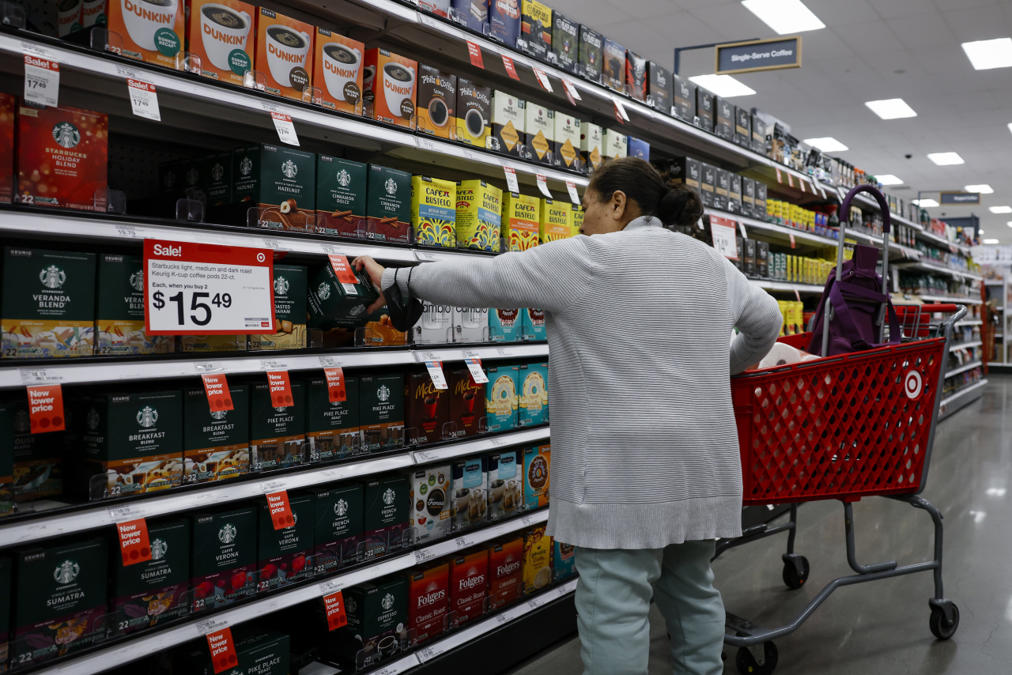
WASHINGTON—President Trump on Friday moved to lower tariffs on beef, coffee and dozens of agricultural and food goods, marking a significant rollback of his so-called reciprocal levies as he looks for ways to address Americans’ concerns about the cost of living.
Trump issued an executive order modifying the reciprocal tariffs he imposed on virtually every trading partner in August, exempting more than a hundred common food items including fruits, nuts and spices.
The move continues a shift away from Trump’s maximalist tariff policy. When the president announced his reciprocal tariffs this spring, his economic team insisted there would be no exemptions to the levies. They later relented, removing duties on certain items not produced in the U.S., or available in sufficient quantities from domestic suppliers to meet demand.
The newly exempted products on Friday, however, include many products commonly produced in the U.S.—such as beef, which has risen to record prices in recent months. The tariff reductions are retroactive to 12:01 a.m. on Thursday, Nov. 13, according to the order.
The move is part of a shift from the administration to water down some of its so-called reciprocal tariffs in the face of both price increases for consumers and legal uncertainty following a high-stakes Supreme Court hearing this month. In their place, the administration has expanded other tariffs on individual industries like steel, aluminum and automobiles based on more established national security law — Section 232 of the Trade Expansion Act of 1962.


Trump’s decision comes after days of recriminations in the administration and among Republicans about how to respond to voter dissatisfaction over the cost of living, after a November election where Democrats largely swept GOP candidates aside with an “affordability” message.
Trump has also floated the idea of using tariff revenue to issue $2,000 rebate checks to Americans and launched an antitrust probe into meatpacking companies he accused of driving beef prices higher.
Grocery store owners welcomed the news on Friday.
“Today’s action should help consumers, whose morning cup of coffee will hopefully become more affordable, as well as U.S. manufacturers, which utilize many of these products in their supply chains and production lines,” said Leslie G. Sarasin, president and CEO of FMI, an industry group for grocers.
Other large, trade-reliant U.S. businesses were also encouraged, but urged Trump to pursue a fuller rollback of his duties.
“It’s certainly a step in the right direction, but it’s important to recognize that the pain that American working families and businesses feel from tariffs goes way beyond coffee and bananas,” said Jake Colvin, president of the National Foreign Trade Council.
Trump’s order expands on tariff carve-outs that he announced on Thursday, when he said that many food products from Argentina, Ecuador, Guatemala and El Salvador would be exempted from levies after they agreed to trade frameworks with the U.S. The new carve-outs apply to imports of the affected food products from every nation hit with reciprocal tariffs, not just ones that have struck deals with Trump.
Democrats and some economists pointed to the move as a tacit admission from Trump—who has repeatedly said that foreign companies pay the tariffs—that his levies are increasing prices for Americans.
“By admitting that lowering tariffs will lower prices for U.S. consumers, the Trump administration is acknowledging what economists have pointed out all along: tariffs raise prices,” said Erica York, vice president of federal tax policy at the Tax Foundation, a think tank critical of tariffs.
Write to Gavin Bade at gavin.bade@
No comments:
Post a Comment