This is obviously important and a reminder that our nowledge base has gaping holes to this day. Just what else are we missing.
Again the promotion of fermented foods is indicated. We have barely started there.
This should lead to important solutions. Against a medical industry focussed on jerking your chain as long as podsible. Now suppose a DNA workup prepped you for directed solutions?
Scientists unlock 30-year mystery: Rare micronutrient holds key to brain health and cancer defense
08/25/2025 // Willow Tohi // 1.1K Views
Tags: anticancer, Brain, brain function, brain health, breakthrough, cancer research, cancer solutions, game changer, goodcancer, goodhealth, gut microbiome, longevity, Mind, mind body science, nutrients, prevent cancer, prevention, Queuosine, research, superfoods, supplements
https://www.naturalnews.com/2025-08-25-rare-micronutrient-key-brain-health-cancer-defense.html
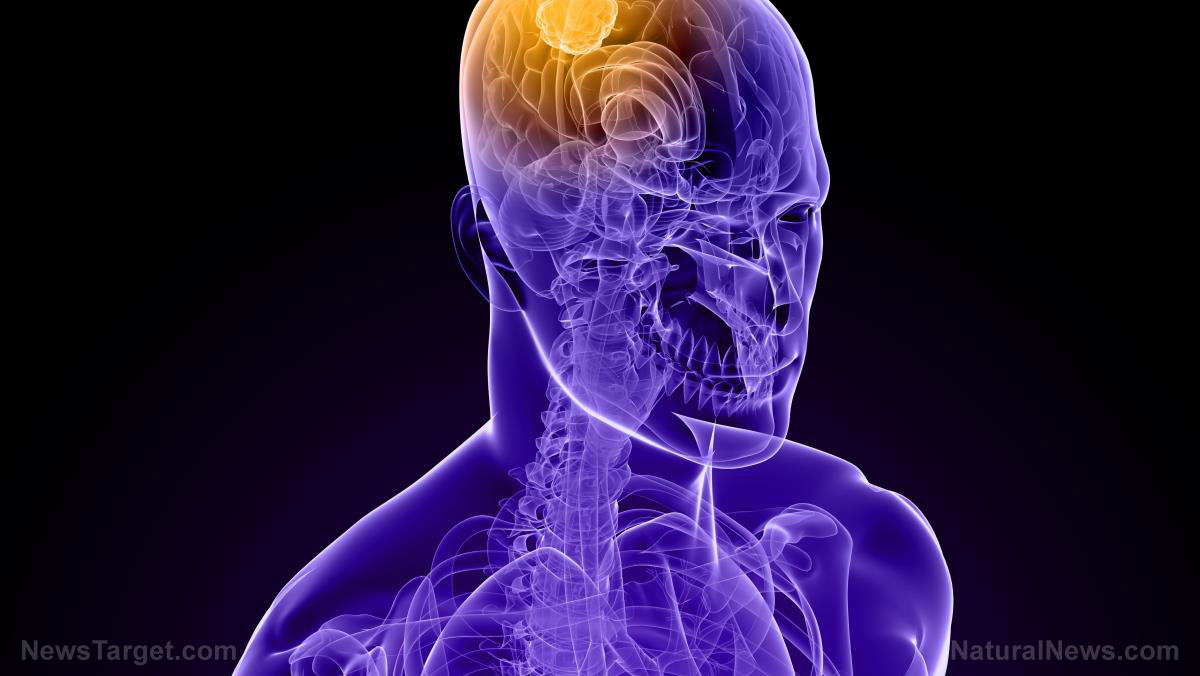
Queuosine, a rare micronutrient from food and gut bacteria, is critical for brain function, memory, stress response and cancer defense—but until now, scientists didn’t know how our bodies absorb it.
Researchers at University of Florida and Trinity College Dublin discovered the SLC35F2 gene, the long-sought "transporter" that allows queuosine to enter cells, solving a 30-year scientific mystery.
Queuosine fine-tunes gene expression by modifying transfer RNA, influencing everything from learning to tumor suppression—yet most people have never heard of it.
The breakthrough could lead to new therapies for neurological disorders, cancer and metabolic diseases by leveraging queuosine’s role in cellular health.
The study highlights the power of the microbiome and diet in regulating genetic activity, opening doors for nutrition-based medical interventions.
For over 30 years, scientists knew that queuosine—a vitamin-like micronutrient found in trace amounts in foods like dairy, meat and fermented products—played a crucial role in human health. It modifies transfer RNA (tRNA), the molecular machines that help translate genetic code into proteins, influencing everything from memory formation to cancer suppression. Yet one glaring question remained unanswered: How does queuosine get into our cells?
This week, an international team of researchers—led by the University of Florida (UF) and Trinity College Dublin—published a groundbreaking study in the Proceedings of the National Academy of Sciences (PNAS) that finally solves the puzzle. They identified SLC35F2, a gene that acts as the gatekeeper, transporting queuosine into cells where it can work its magic.
"For over 30 years, scientists have suspected that there had to be a transporter for this nutrient, but no one could find it," said Valérie de Crécy-Lagard, a UF/IFAS distinguished professor and one of the study’s principal investigators. "We’ve been hunting for it for a long time. This discovery opens up a whole new chapter in understanding how the microbiome and our diet can influence the translation of our genes."
The implications are staggering. Queuosine doesn’t just support brain function—it regulates stress responses, metabolic health and even tumor growth. Yet because it’s not synthesized by the human body, we rely entirely on diet and gut bacteria to supply it. Now that scientists know how it’s absorbed, they can explore therapeutic applications, from neuroprotective drugs to cancer treatments.
The micronutrient that "fine-tunes" your genes
Queuosine was first discovered in the 1970s, but its importance was overshadowed by more well-known vitamins and minerals. Unlike vitamin C or iron, queuosine doesn’t operate in large quantities—it works at the molecular level, modifying tRNA to ensure precise protein synthesis.
"It’s like a nutrient that fine-tunes how your body reads your genes," explained de Crécy-Lagard. "The idea that this small compound, which people have barely heard of, plays such an important role, is fascinating."
Here’s how it works:
Queuosine enhances the accuracy of tRNA, reducing errors in protein production.
It regulates oxidative stress, a key factor in aging and disease.
It supports synaptic plasticity, the process by which neurons form new connections—critical for learning and memory.
It inhibits tumor growth by improving cellular stress responses.
Until now, scientists knew queuosine was important, but they didn’t know how it moved from the gut into cells. The discovery of SLC35F2 changes everything.
"We have known for a long time that queuosine influences critical processes like brain health, metabolic regulation, cancer and even responses to stress, but until now we haven’t known how it is salvaged from the gut and distributed to the billions of human cells that take it in," said Vincent Kelly, professor at Trinity College Dublin and joint senior author of the study.
Why this discovery matters now
The identification of SLC35F2 isn’t just an academic victory—it’s a medical game-changer. Here’s why:
Queuosine’s role in tRNA modification makes it a potential target for anti-cancer therapies. Tumors rely on rapid protein synthesis, and queuosine’s regulatory effect could disrupt their growth.
The gene SLC35F2 has been studied in cancer research before—but only in the context of drug delivery.
Now, scientists can explore how natural queuosine levels might suppress tumors.
Brain Health & Neurodegenerative Diseases
Queuosine is critical for memory and learning. Deficiencies could contribute to cognitive decline, making it a potential target for Alzheimer’s and Parkinson’s research.
Since queuosine is gut-derived, this discovery reinforces the gut-brain axis—the idea that intestinal health directly impacts neurological function.
Nutrition & Longevity
The finding suggests that dietary queuosine (found in dairy, meat and fermented foods) may be just as important as better-known nutrients.
Future research could lead to queuosine-rich superfoods or supplements designed to optimize gene expression.
Personalized Medicine
Genetic variations in SLC35F2 could explain why some people are more susceptible to stress, metabolic disorders, or cancer.
Testing for queuosine levels might become a routine part of blood work, allowing for tailored nutrition and medical plans.
A global effort: How collaboration cracked the code
This breakthrough wasn’t the work of a single lab—it required international teamwork. Researchers from UF, Trinity College Dublin, San Diego State University, Ohio State University and institutions in Northern Ireland pooled their expertise in genetics, biochemistry and microbiology.
"We don’t think we could have cracked it without the full team," said de Crécy-Lagard. "It’s a perfect example of what international collaboration can achieve."
The study was funded by multiple nations’ health agencies, including:
National Institutes of Health (NIH)
Research Ireland (formerly Science Foundation Ireland)
Health and Social Care in Northern Ireland
This cross-border, multi-disciplinary approach highlights how modern science is breaking down silos to tackle complex mysteries.
No comments:
Post a Comment