A few got written about, yet i suspect most were as trivial as most of ours.
Ra/rely helpful as well.
I do have to say that the sentiment to study them has also gone away. simply a lack of importance.
What Did Ancient People Dream About?
For the ancient Greeks, Romans, and folks in other cultures, dreams were far more than idle nighttime fancies. They were powerful, often sacred experiences that shaped lives, politics, religious practices, and art.
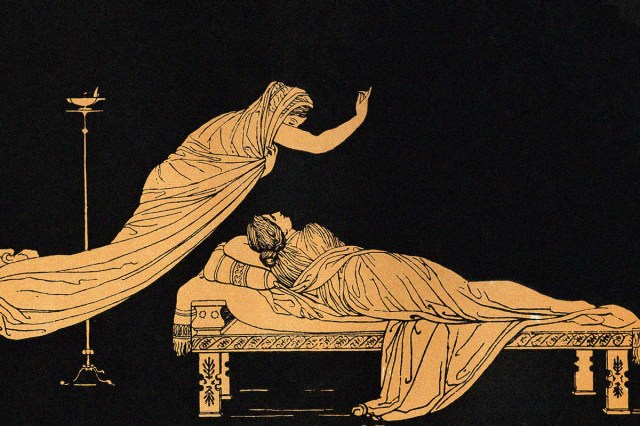
While ancient people likely dreamed about many of the same themes we do today — love, fear, death, power, the divine — their dreams were widely seen as significant messages, often believed to come directly from gods or supernatural forces. Ancient dreamers sought meaning in their visions, often finding answers to illness, moral dilemmas, or matters of state, and they acted on their dreams with great seriousness. Here’s a look at what people in ancient times likely dreamed about, and what they believed those visions meant.Credit: Culture Club/ Hulton Archive via Getty Images
Divine Messengers and Prophecy
One of the most common types of dreams in antiquity featured divine or semidivine figures delivering a message — what later Roman thinkers such as the scholar Macrobius classified as “oracles,” and later scholars have called “epiphany dreams.” These dreams usually involved a god, ancestor, or venerable figure announcing future events or prescribing actions to take.
A prominent example is Penelope’s dream in Homer’s Odyssey, where she sees an eagle slay her flock of geese. The eagle speaks, revealing himself as Odysseus and foretelling his return and vengeance. In another example, from ancient Sumer, King Eanatum I dreamed that Ning̃irsu — the Sumerian god of thunderstorms and floods — told him he would triumph in a war. And in Egypt during the 15th century BCE, a deity told Prince Thutmose IV that he would become pharaoh if only he freed the Sphinx from the sand engulfing its body.
In some early Christian writing, dreams offered opportunities for moral instruction, although it can be hard to distinguish between sleeping dreams and what we’d now be more likely to call visions. But it wasn’t unusual for dreams to influence early religion: Ptolemy I Soter, one of Alexander the Great’s generals, had a dream of a giant statue that led him to found the cult of Serapis.
For many ancient people, especially those in the Greco-Roman world, dreams were not only forecasts but also instructions for therapy. The prominent Greek physician Galen reported that he had performed surgery based on instructions received in a dream. (In fact, Galen owed his entire career to a dream his father had.)
In Roman times, the orator Aelius Aristides kept extensive dream journals detailing his interactions with the god Asclepius, the god of healing. In his first such dream, the deity directed him to walk barefoot in cold weather. Aristides also wrote of being instructed to plunge into a freezing river in winter. Despite the bitter cold, he followed the divine command and emerged feeling renewed, with a “certain inexplicable contentment” that lasted through the day and night.
The temple of Asclepius in Pergamum, where Aristides spent years undergoing dream-based treatments, was a center of “incubation” — a practice in which patients slept in the temple in hopes of receiving a healing dream, or simply being healed by the god while they slept. Aristides believed his ailments were not only healed through these dreams, but that the dreams themselves revealed a deeper layer of his identity.
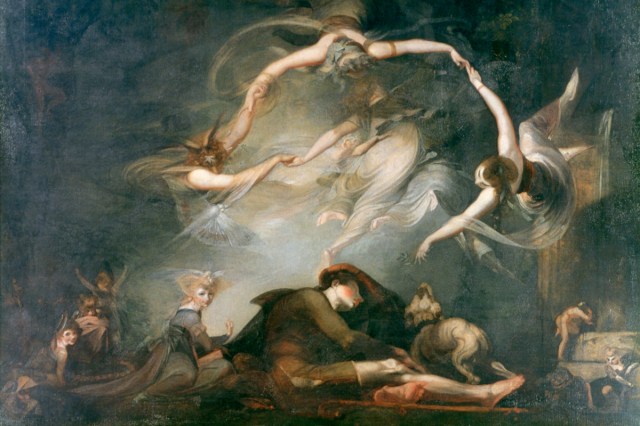
Credit: Print Collector/ Hulton Archive via Getty Images
Symbol and Allegory
Not all dreams in the ancient world were seen as straightforward. Some were symbolic puzzles requiring interpretation. The second-century dream theorist Artemidorus, in his book Oneirocritica (or The Interpretation of Dreams), distinguished between direct (“theorematic”) and allegorical dreams. The former might show you exactly what was coming (for instance, dreaming of a shipwreck and waking up to discover it coming true), but the latter cloaked meaning in metaphor.
In symbolic dreams, one thing signified another — an eagle could mean a king; a journey, an impending change; a flood, internal unrest. Interestingly, interpretation relied not on fixed meanings but on context, such as who the dreamer was as well as their emotional state, social status, health, and personal concerns.
Dreams also fed ancient literature and drama. The playwright Aristarchus of Tegea reportedly wrote a tragedy at the command of the god Asclepius, who appeared in a dream after the playwright’s recovery from illness.
Homer’s famous epics are also infused with dream logic and imagery. In the Iliad Book 2, Zeus sends a deceitful dream to Agamemnon in the form of a person urging him to attack Troy. It’s an example of dreams as political tools used by gods to shape human affairs.
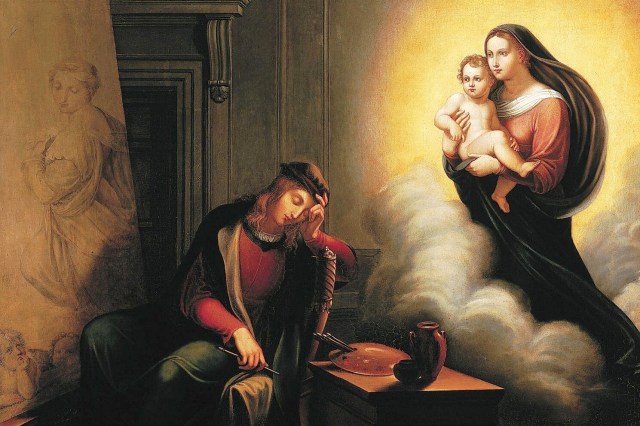 Credit: Gem Archive/ Alamy Stock Photo
The Importance of Ancient Dreams
Of course, not everyone in the ancient world took dreams so seriously. In the fourth century CE, the philosopher Diogenes the Cynic had this to say about people who got worked up about dreams: “They did not regard what they do while they are awake, but make a great fuss about what they fancy they see while they are asleep.”
Yet as with most things, Diogenes was an outlier. For many in the ancient world, dreams were seen as legitimate and often essential tools for navigating illness, ethics, and divine will. Ancient people dreamed of gods and ghosts, rivers and birds, death and healing, fear and redemption. And whether interpreted as prophecy, therapy, or metaphor, those dreams were treated with reverence and awe.
No comments:
Post a Comment